
OUR PRODUCTS
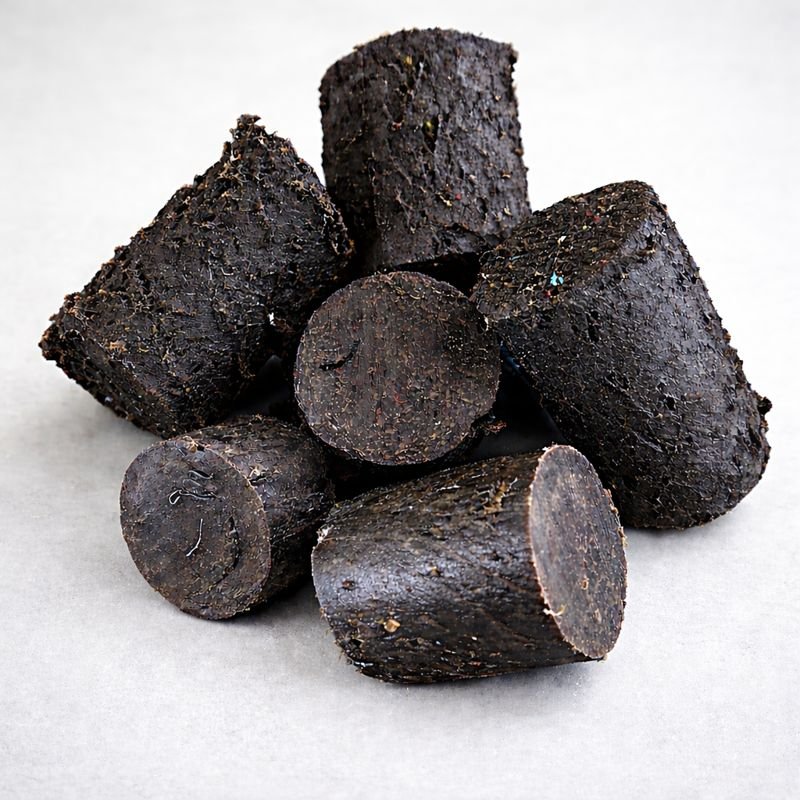
SynCoal™: Carbon Reductant Resource
SynCoal™ is ARC’s branded carbon-rich solid fuel / industrial reductant made from waste plastics and residual organic material recovered from mixed solid waste streams. Syncoal™ is positioned as a commercially and environmentally viable alternative to natural coal and blended metallurgical (coking) coke.
What is SynCoal™?
-
Due to SynCoals high carbon and calorific value, it is expremely versatile to be added across a multitude of industries.
Integrated steel & foundries (blast furnace PCI, sinter, coke-blend, cupola): cleaner carbon input; low S/P helps steel quality.
Direct-reduced iron (coal-based DRI/rotary kiln): consistent CV and low ash improve kiln stability.
Ferroalloys (FeMn, SiMn, Cr, Ni alloys): high fixed carbon, low impurities reduce slag volume and energy use.
Silicon & ferrosilicon smelting: ultra-low ash/P/S critical for product purity.
Non-ferrous smelting (Cu, Pb, Zn, Ni): reductant in roasting/smelting with fewer contaminants.
Ilmenite/TiO₂ & Ti slag/pig iron: reliable carbothermal reduction with low sulphur carryover.Cement & lime kilns: high CV fuel with markedly lower SOx/NOx precursors.
Brick, tile & ceramics: cleaner combustion for colour/quality control.
Glass & mineral wool: heat source with reduced sulphur inputs.
Chemicals (carbothermal steps): calcium carbide, carbon disulphide, TiCl₄ routes—needs high-purity reducing agent.
Activated carbon & carbon materials: precursor/carbon source with tight impurity specs.
Industrial boilers/CHP (food, paper, agro-processing): drop-in high-CV, low-ash fuel.
-
ARC has been working on Multiple formats for SynCoal to help better suit various industry needs. Utilising a crushing process creating a variety of sizing options.
Brick (standard size)
Crushed L: 2-4 inch pieces
Crushed M: 1-2cm pieces
Crushed S: a coarse grain consistency
-
Contains High Calorific Value (>6,000 kCal/kg)
High Total Carbon Content (>70% C)
Low Moisture (<0.5%)·
Low Ash (<4%)
Low Sulphur (<0.01%)
Low Nitrogen (<0.05%)
Hydrogen (>11%)
Phosphorous (<0.01%)
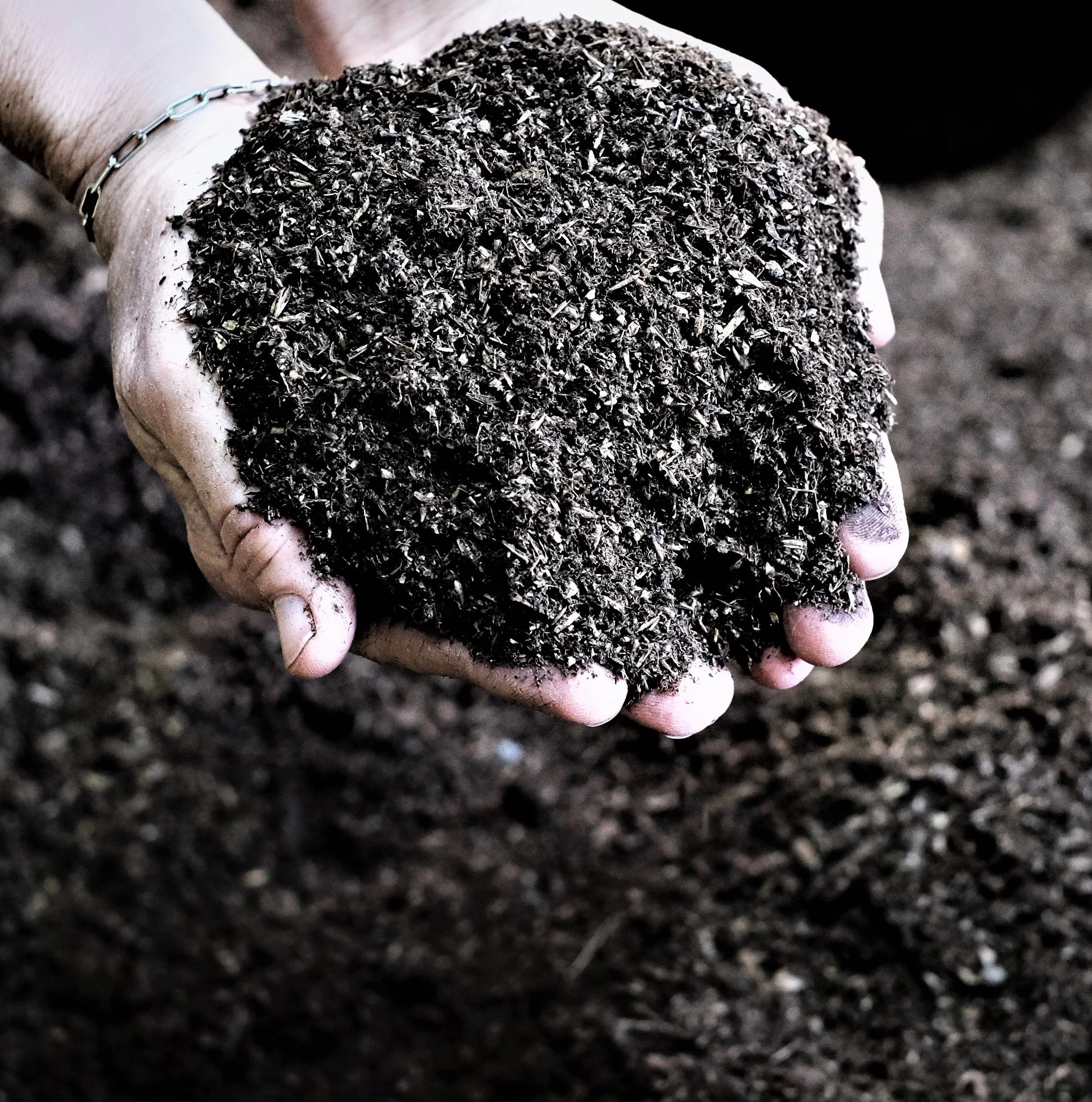
ARCSoil™: Insect Frass Fertiliser
-
A unique feature of this fertiliser is its high chitin content. A biopolymer found in the exoskeleton of the Larvae, which is a natural biostimulant increasing plant health and growth.
Once Chitin is present in the soil it acts as a ‘danger signal’ for surrounding plant life. The plant recognising the material and prepares for an attack, responding with:
Accelerated growth creating thicker cell walls
Producing antifungal and antimicrobial enzymes
Leaving you with stronger and healthier plants already prepared for what the world may throw at them.
-
Frass is an extremely versatile fertiliser and can be used almost all areas (with adjusted usage rates).
FRUIT TREES
For young trees: 300g in Spring and Autumn, followed by watering.
For mature trees: Apply 600g in 10cm deep holes across the root area in Spring and Autumn, then water in.
HORTICULTURE & VITICULTURE
Apply 500kg per hectare or 5kg per 100 square meters. Use a fertiliser or compost spreader for even coverage.
LAWNS & SPORTS FIELDS
For general lawns: 250kg per hectare or 2.5kg per 100 square meters.
Ovals: 200kg per hectare or 2kg per 100 square meters, best applied in Spring and early Autumn.
POTTED PLANTS
Sprinkle a thin layer, keeping a small gap around the stem, and water in. Top dress every six weeks.
FLOWERS, VEGETABLE BEDS & GARDENS
Apply 50g per square meter, then water in.
For best results, gently mix into the soil.
Top dress with a light sprinkle after planting and reapply every six weeks during the growing season.
ACID-LOVING AND INDIGENOUS AUSTRALIAN PLANTS
Apply 25g per square meter, or 35g for fast-growing species, starting 10cm away from the plant base, then water in.
Reapply in Spring and Autumn.
PLANTING TREES & SHRUBS
For new plantings, apply 15g per 10cm pot size directly at the root base, then water in.
These are general guidelines—please adjust application rates based on your needs.
-
• Nitrogen(N) 6.4% • Phosphorus(P) 1.6% • Potassium(K) 0.7 • Carbon(C) 27.1% • Magnesium(Mg) 8.9% • Calcium(Ca) 4.5% • pH 7.7
ARCSoil is entirely made of Insect Frass (i.e. Manure). ARCSoil is produced from the accelerated digestion and decomposition of organic matter by the Black Soldier Fly Larvae. Which can go on to be utilised as a micronutrient, ammonia rich fertiliser.
What is ARCSoil?
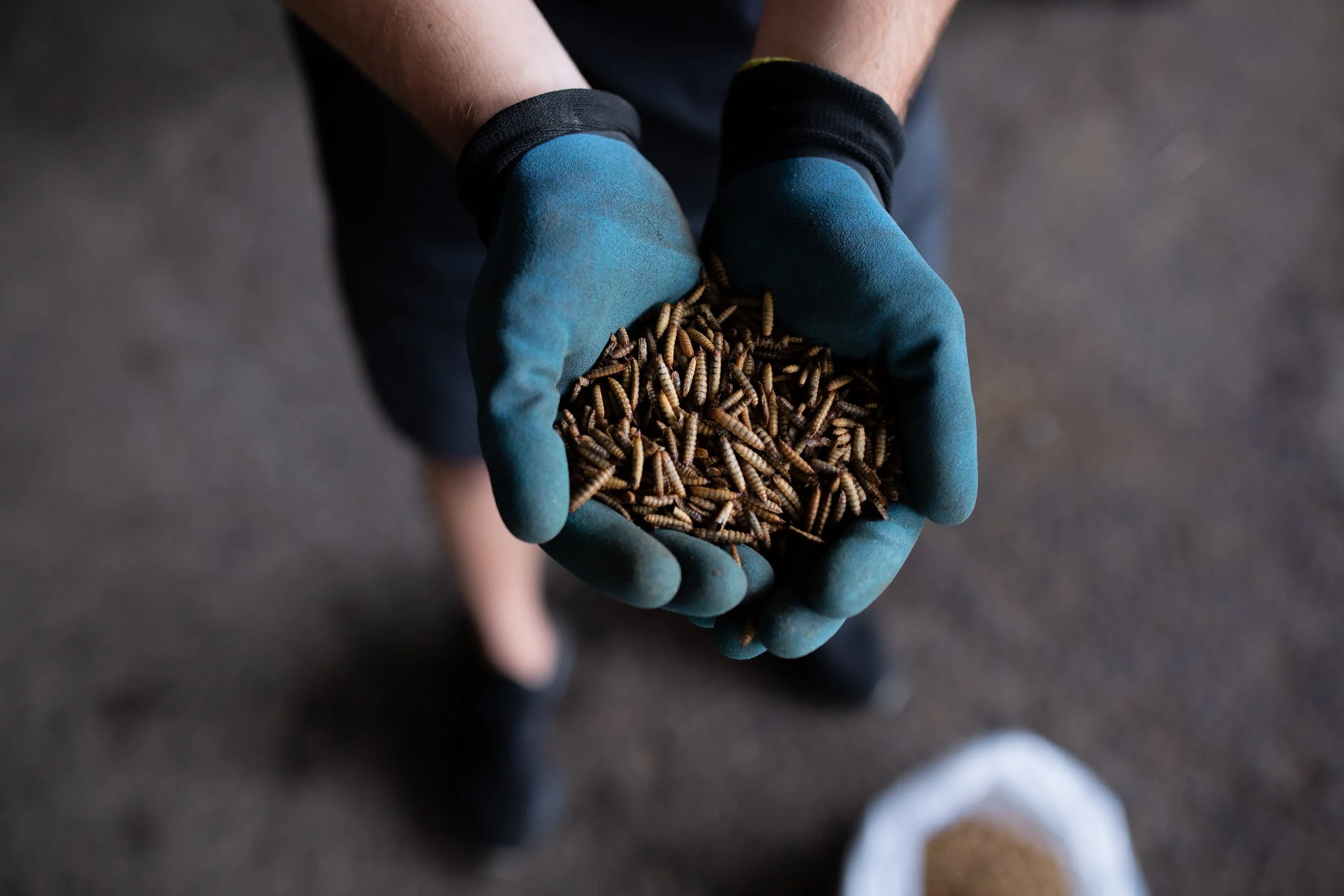
ARCMeal™: Insect Based Protein (BSFL)
-
Insect protein, especially BSFL, delivers more than nutrition. It contains bioactive lipids like lauric acid (C12:0) that can support gut health and microbial balance, plus chitin-based functional fibre that may aid digestion and immune function, benefits not typically offered by soy and less prominent in most fishmeal.
-
Many animals respond well to insect-based diets because it’s closer to their natural feeding ecology.
Aquaculture
Can maintain or improve growth rate and feed conversion when formulated correctly
Supports gut health and robustness (lauric acid + chitin)
May support resilience during stress/high-density production
Pets (dogs/cats)
Novel protein option that may suit some animals with common-protein sensitivities (not universally hypoallergenic)
High protein density (especially defatted meal)
Supports gut function/overall condition via balanced nutrition
Poultry – Broilers
Supports steady growth, feed efficiency, and flock uniformity with AA-balanced diets
Gut resilience support from functional components (chitin) and fat profile
Poultry – Layers
Supports egg production and egg mass when protein and amino acids are balanced
Helps maintain performance and egg quality during stress via digestive support
Swine
Useful in weaner diets to support growth and gut resilience post-weaning
High-quality protein ingredient; manage fibre/chitin and balance amino acids
-
Protein (Dumas)37.0g/100 g
Total fat26.7g/100 g
Moisture6.0g/100 g
Ash8.7g/100 g
Carbohydrates14.5g/100 g
Total dietary fibre7.1g/100 g
Total sugars0.7g/100 g
Energy1920kJ/100 g
Salt (NaCl)0.1g/100 g
Sodium130mg/100 g
-
Lysine: 24,000 mg/kg (~2.40%)
Methionine: 5,900 mg/kg (~0.59%)
Leucine: 26,000 mg/kg (~2.60%)
Isoleucine: 14,000 mg/kg (~1.40%)
Valine: 19,000 mg/kg (~1.90%)
Threonine: 15,000 mg/kg (~1.50%)
Phenylalanine: 16,000 mg/kg
Histidine: 9,600 mg/kg
Other notable AAs
Arginine: 22,000 mg/kg (~2.20%)
Glutamic acid + Glutamine: 46,000 mg/kg (~4.60%)
Aspartic acid + Asparagine: 38,000 mg/kg
Taurine: 1,900 mg/kg (~0.19%)
Black Soldier Fly Larvae (BSFL) derived insect protein is a great alternative which is rich in protein, essential amino acids, vitamins and minerals. As well as being a highly sustainable feed source requiring significantly less resources such as land and water to produce compared to other sources such as fish and soy meal.
Why insect based protein?
Research & Development
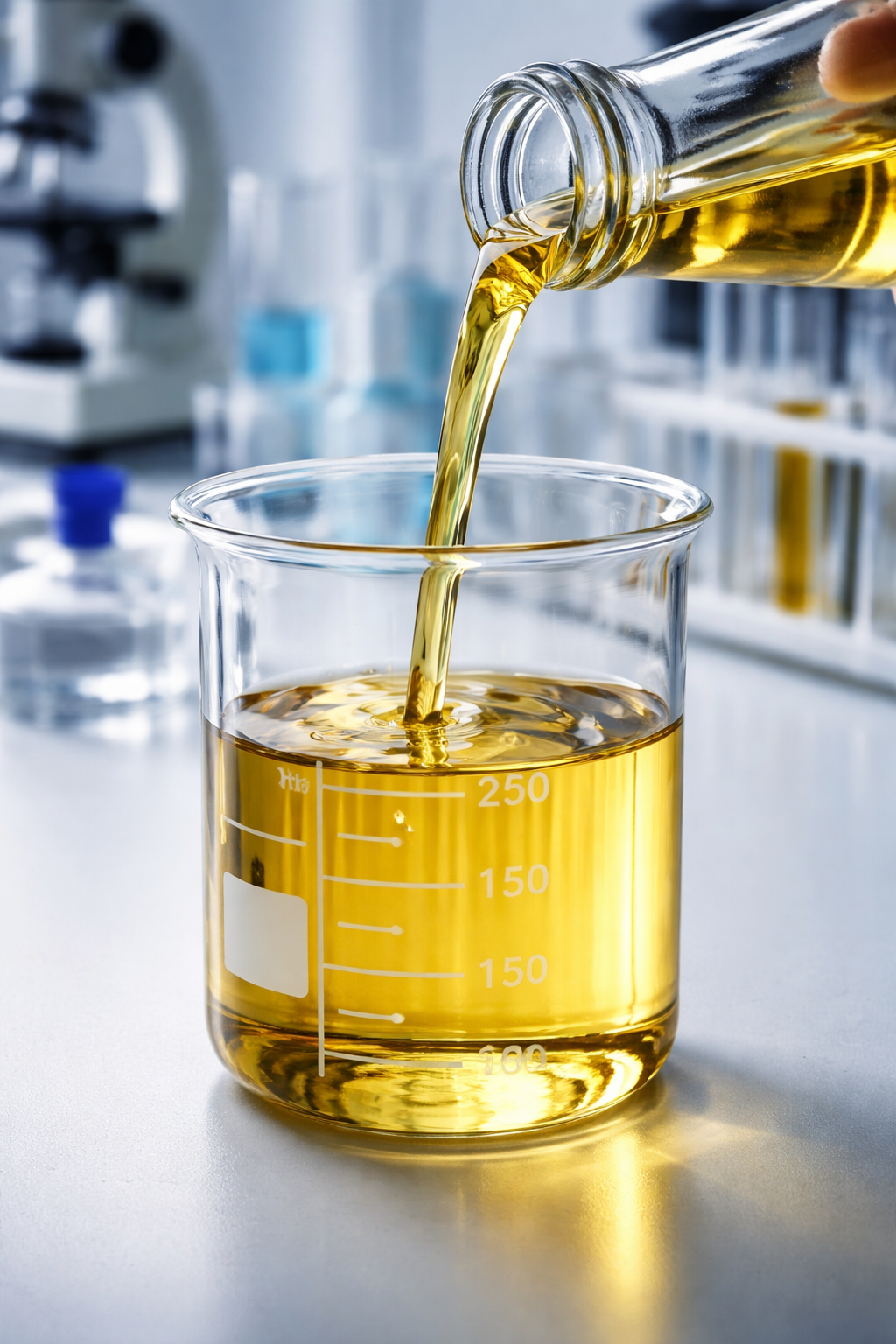
ARCOil: Insect Bio-Oil
Insect oil is a natural fat extracted from our insects, commonly black soldier fly larvae. It provides a concentrated energy source and is valued for its unique fatty acid profile, often high in lauric acid (C12:0). It’s used in animal feeds, pet food, and emerging industrial applications.
What is insect oil?
-
Insect oil is typically lauric-acid (C12:0) dominant, giving it a medium-chain fatty acid profile uncommon in most feed fats and closer to coconut or palm-kernel oils than fish oil. Beyond energy, it supports functional lipid concepts like gut resilience. It’s also circular, upcycling low-value by-products using less land and water.
-
Despite its unique origin, insect bio-oil has a wide range of functionality.
Animal nutrition
Aquafeed: energy source and partial replacement for vegetable oils; often used where a lauric-acid-rich lipid is desired.
Poultry & swine: dietary energy/fat source; sometimes used to support gut resilience in challenge periods (when formulated correctly).
Pet food: fat source for energy and functional fatty-acid positioning (and as part of “novel insect ingredient” product lines).
Industrial / biobased
Oleochemicals (soap/surfactants): BSFL oil can be processed similarly to other fats/oils into fatty-acid derivatives for industrial uses (saponification-type applications).
Biofuel (biodiesel research + pilots): larvae oil has been investigated as a biodiesel feedstock, especially in “waste → larvae → oil → fuel” value chains.
Cosmetics & personal care
An ingredient with measured physicochemical properties and cosmetic-related activities.
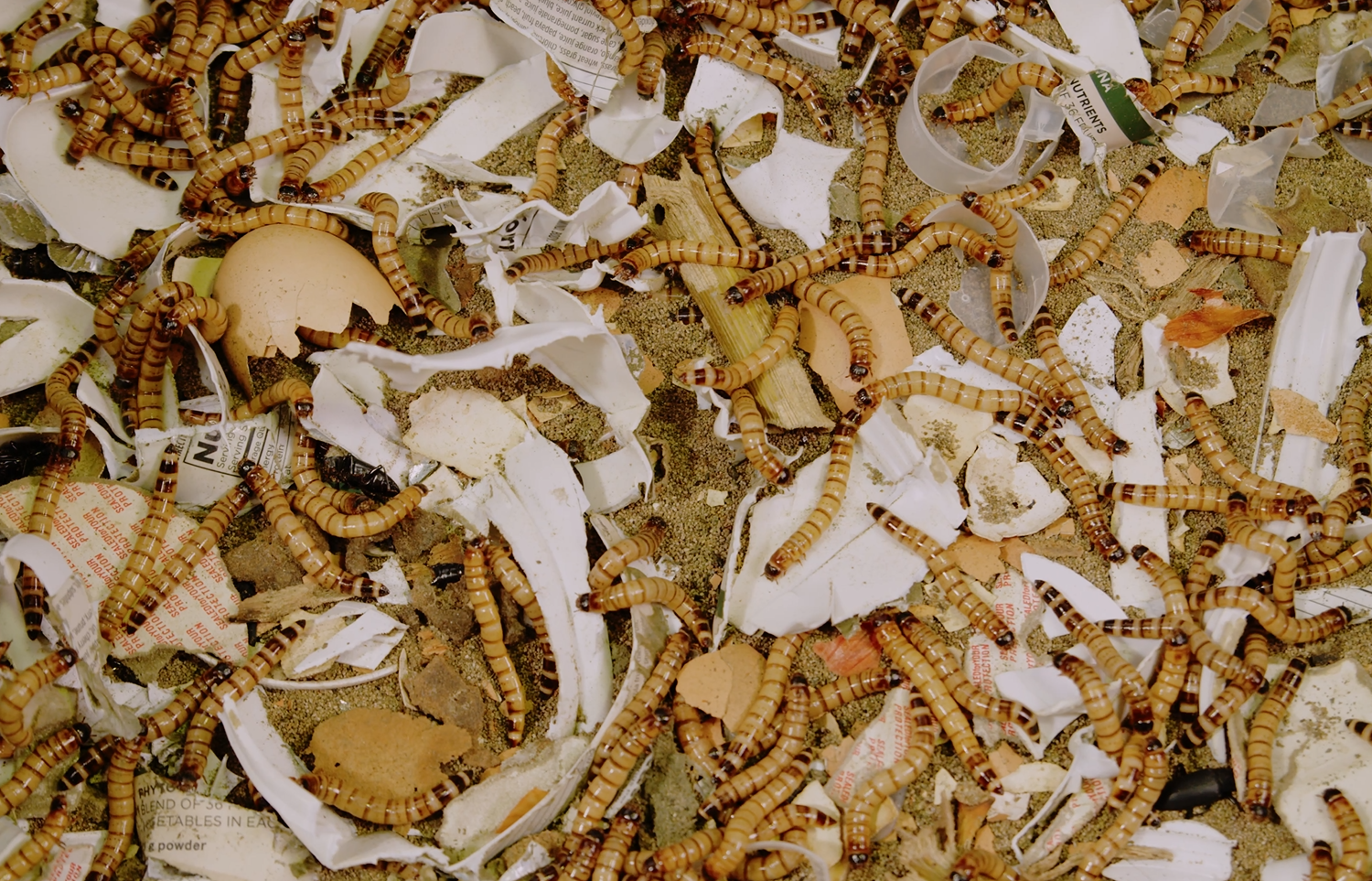
Superworms: Zophobas Atratus
Superworms upcycle certain organic side-streams, like spent grains, fruit/veg scraps, and other low-value food residues into higher-value outputs such as insect biomass (protein and lipids) and frass (a nutrient-rich soil amendment). The focus is on optimising conversion efficiency, while also managing consistency of the resulting products so the process can scale reliably and safely.
What are Superworms?
-
What really makes superworms unique to other insects/organisms is it’s ability to be able to eat polystyrene (including EPS “Styrofoam”) and biologically break it down.
This is largely due to help from certain gut bacteria and enzymes which are naturally present in their stomach, rather than the larvae doing all the chemistry themselves.
-
Moisture: 12.3 g/100 g Dried
Protein (Dumas): 45.0 g/100 g
Total fat: 27.9 g/100 g
Ash: 5.5 g/100 g
Carbohydrates: 7.1 g/100 g; Total sugars: 0.4 g/100 g
Dietary fibre: 2.2 g/100 g
Energy: 1936 kJ/100 g
Sodium: 130 mg/100 g
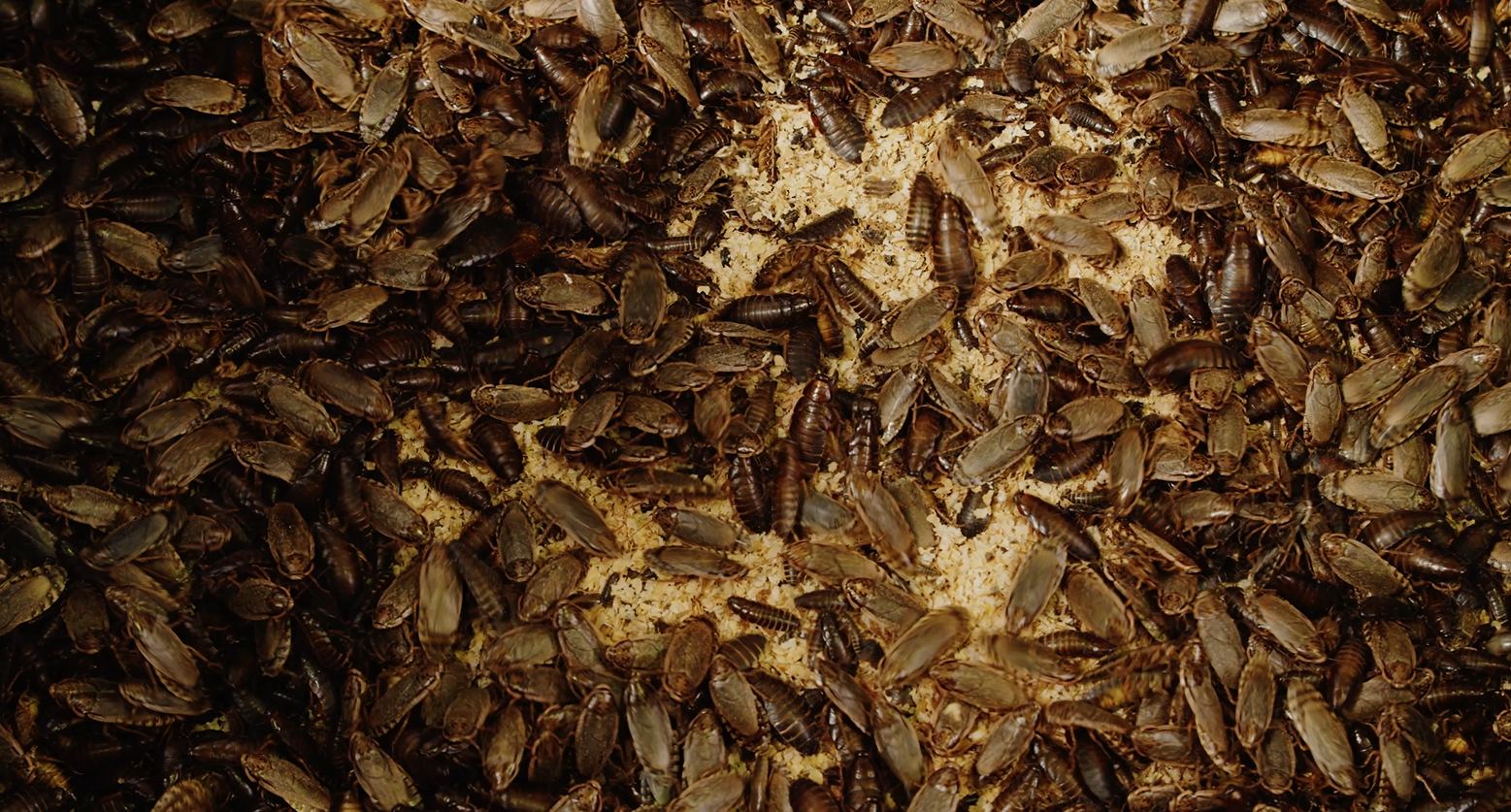
Woodies (Australian Wood Roach): Naupheta Cinerea
Woodies are large cockroaches which feed mostly on rotting wood and leaf litter. Unlike household pest roaches, they’re generally slow-moving and non-invasive. In insect-rearing and waste-diversion contexts, woodies are interesting because they can help break down woody, lignocellulosic material and convert it into insect biomass and frass, although their growth is typically slower than “fast-cycle” species like black soldier flies.
What are Woodies?
-
Woodies although related to an common insect hated by most is are interesting from a waste conversion perspective. Offering a avenues for wood based waste streams.
Additionally production of the Woodies are low maintenance compared to other species able to sustain themselves efficiently based on environment.
-
Crude Protein: 55-65% per 100g
Crude Fat: 20-30% per 100g
Crude Fibre: 5-10% per 100g
Energy Approx: 2500kj per 100g
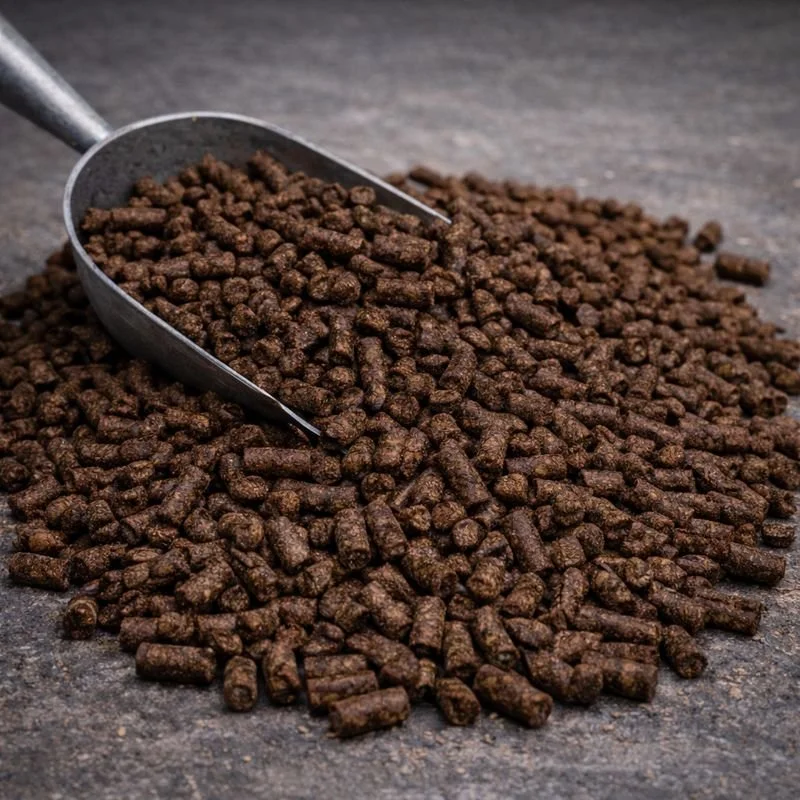
Insect feed is the nutrient-rich feedstock used to rear insects, made from organic by-products such as food processing residuals and plant-based materials. It provides the protein, energy, moisture, and minerals needed for rapid larval growth, and strongly influences insect yield, health, and the final composition of insect protein and oil.
What is Insect Feed?
ARCFeed: Insect Feed
-
“Starter” vs “finisher” insect rations (phase feeding)
Starter pellet: higher digestible protein focus.
Finisher pellet: maintain energy density for weight gain/harvest timing.
Breeder / reproduction support diets (species-dependent)
Use: supplement for adult breeding stock.
Why: fat and energy can support reproductive output, but micronutrients often need attention.
High-throughput automated facilities
Use: compatible with hoppers, augers, dosing systems, and predictable consumption.
Why pellets: better flowability, less segregation than mixed meals, easier inventory control.
Small-scale / decentralized insect farming
Use: “ready-to-use” ration for operators without access to steady waste streams.
Benefit: stable low moisture (4.8%) → improved shelf-life and transportability.
Feedstock blending and consistency management
Use: pellet acts as a standardised base to blend with wetter inputs (e.g., fresh scraps, brewery waste).
Goal: hit target moisture, energy, and protein for consistent growth across batches.
Biosecurity and hygiene-controlled rearing systems
Use: when facilities want to reduce risks vs loose/variable waste streams.
Why pellet: easier QA testing (micro, mycotoxins, heavy metals), traceability by batch.
R&D: optimisation trials for yield and efficiency
Controlled trials to tune:
insect growth rate and FCR
survival and uniformity
fat vs protein deposition in larvae
frass output and composition
Circular economy / waste diversion programs
Use: converting food waste into a stable, tradable intermediate feedstock for insect producers.
Benefit: decouples insect farms from daily variability in collected waste.
Conditioning feed prior to processing “value targets”
Adjust insect nutrient profile (e.g., boost larval fat for oil yield, or manage protein for meal), pushing higher energy diets depending on species.
-
Moisture: 4.8%
Crude protein (Dumas): 34.6%
Total fat: 13.0%
Ash: 6.5%
Carbohydrates (by difference): 41.1%